Rethinking Steel Connections in Oil & Gas: How Lindapter Is Quietly Solving One of the Industry’s Oldest Problems
Across the global oil and gas sector, every major operator—from Gulf Coast refineries to deep-water North Sea platforms—faces the same structural challenge: how to modify, reinforce or expand critical steelwork without shutting down operations, introducing fire risk or compromising the integrity of ageing assets. The dilemma has only intensified as facilities extend their service life and safety expectations, regulatory scrutiny and cost pressures continue to rise.
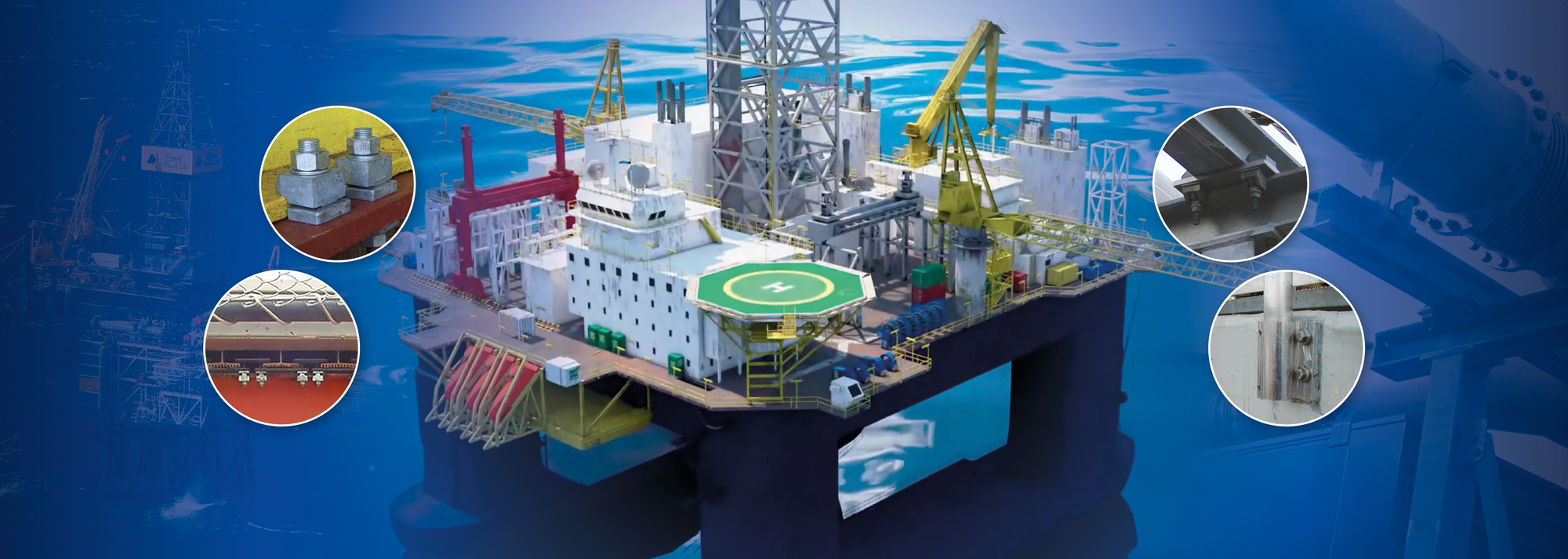
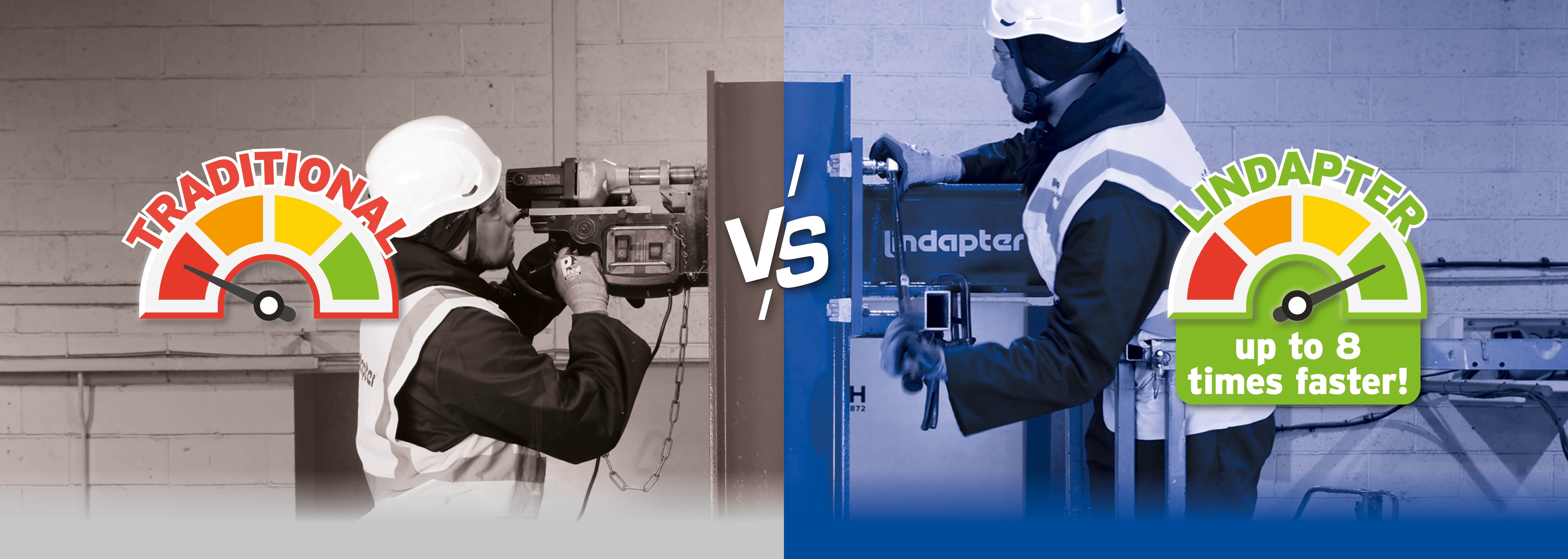
For decades the industry accepted a hard truth. If a pipeline support needed strengthening, a cable ladder had to be repositioned or a temporary landing beam secured during an upgrade, the default response was to weld, drill and bolt—then brace for the consequences. Hot work meant fire risk and permits, production slowdowns and restricted access to hazardous zones. Even small adjustments often triggered complex logistics, delays and inefficiencies.
A quiet shift is now well under way, driven by engineering rather than spectacle. Lindapter offers a proven alternative to conventional methods: steel connections that eliminate on-site welding and drilling altogether.
Instead of hot work and shutdowns, Lindapter’s clamping systems create steel-to-steel connections using only hand tools, in minutes, with verified load capacities suitable for some of the sector’s most demanding environments.
In an industry that must balance safety-critical operations with relentless productivity, the advantages are clear. Clamping rather than welding removes sparks, heat and fire risk—crucial on live hydrocarbon facilities. It avoids hot-work permits and the delays they bring. It preserves ageing primary steel by avoiding new holes, a key benefit offshore where fatigue and corrosion are persistent concerns. Most importantly, it enables installations—and even major structural modifications—while the asset remains in operation, minimising shutdowns and preventing routine tasks from becoming costly disruptions.
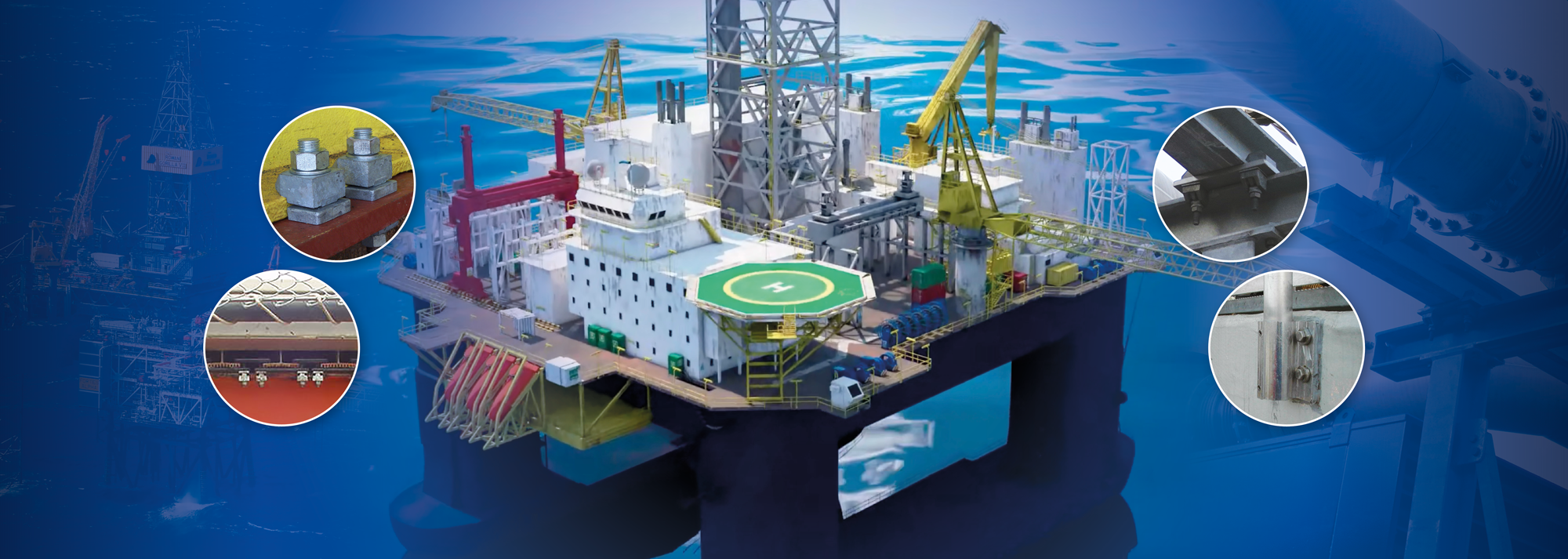
This is not theoretical. Lindapter systems are in service on high-profile assets worldwide. The four examples below show the challenges operators face and the practical value of replacing hot-work-heavy methods with engineered cold connections that simply clamp into place.
Whitemoor Installation, Selby (UK)
Engineers needed heavy-duty pipe supports with tight tolerances. Hot work was ruled out. Using Lindapter’s high slip-resistance Type AF and Type A girder clamps, the team assembled the structure with millimetre-level adjustability, then locked it down with basic tools. The result: a fully aligned support system installed without sparks, specialist welding labour or operational disruption.
ExxonMobil Refinery, Baytown, Texas (USA)
A new pipeline required long runs of pipe guides along cantilever beams, all while the refinery stayed live. Adjustable Type LR girder clamps provided strength and versatility, accommodating variations in flange thickness and slight slopes. Guides were fitted over several thousand feet of pipeline with no drilling, no welding and no impact on production.
Shell M1 LNG Platform, South China Sea
Deck expansion for an additional compression train prohibited drilling or welding into the existing structure, both to protect steel integrity and avoid hot work offshore. Lindapter Type A and Type B clamps enabled temporary, load-critical landing beams to be attached, precisely aligned and later removed with minimal effort—dramatically simplifying a task that would otherwise have required complex permit sequences and production reroutes.
Centrica Rough Alpha 47/8A Platform, North Sea (UK)
Refurbishing a corroding aluminium helideck posed additional risks, including galvanic corrosion at steel–aluminium interfaces. Adjustable clamps delivered precise alignment and predictable performance under dynamic landing loads—without drilling, welding or platform downtime.
Across these projects—onshore and offshore, from pipe supports to helidecks—the pattern is consistent. Assets are older, environments harsher, safety regimes tighter and the pressure to reduce downtime greater. Traditional methods impose too much drag: too many permits, too much risk, too many delays. Lindapter’s clamping technology provides a simple yet deeply engineered answer: predictable loads, independent technical approvals and rapid installation without hot work.
The industry need no longer choose between safety and productivity. By eliminating welding and drilling, operators gain both. Fire risk falls while facilities stay online. Primary steel is protected while designs are simplified. Adjustability is achieved without sacrificing strength. And all of this is delivered through connection systems that can be installed in minutes, even in hazardous or logistically constrained settings.
As oil and gas moves through life-extension programmes, digitalisation, decarbonisation and the complexities of ageing infrastructure, innovation in something as fundamental as a steel connection might seem understated. For engineers who have endured shutdown overruns, fire watches, last-minute design changes and delays caused by misaligned steel, the impact is anything but subtle.
The quietest revolutions come from rethinking the basics. In steel-to-steel connections, Lindapter provides what the industry has long sought: a safer, faster and more adaptable way to keep critical energy infrastructure running.
Visit the Lindapter International website for more information on Rethinking Steel Connections in Oil & Gas: How Lindapter Is Quietly Solving One of the Industry’s Oldest Problems
ENQUIRY FORM