
Leak-Free Stainless Steel Tube Systems in Washdown Plants
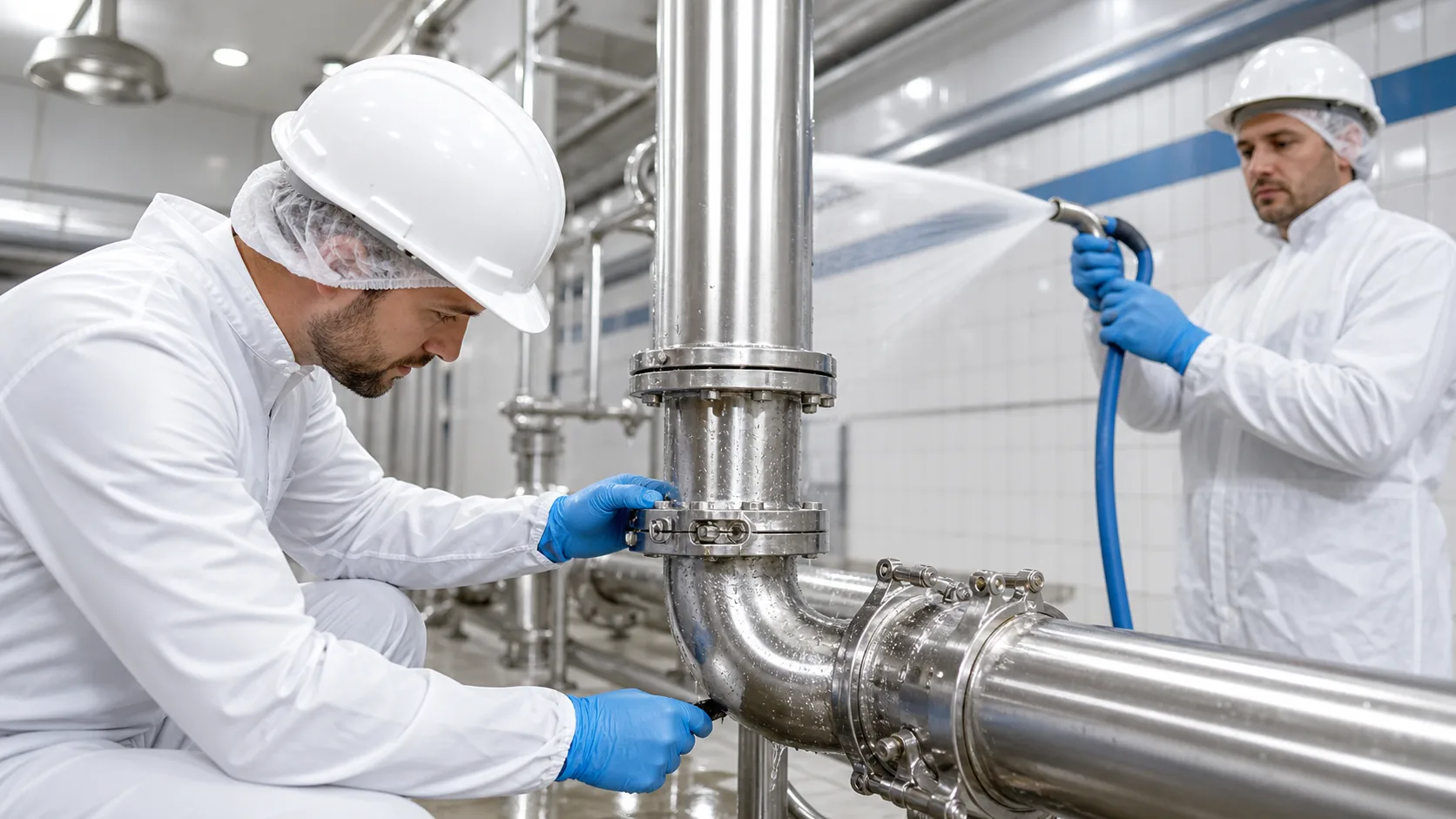
Food, drink and pharmaceutical washdown areas live or die by their pipework. If the stainless steel tube systems that feed water, detergents and product start leaking, everything is at risk: safety, hygiene and production output. This article looks at why leaks happen, what a good stainless steel tube layout should look like and how to plan upgrades without bringing your lines to a standstill.
We will focus on practical steps for engineers, maintenance teams and OEMs who want reliable, hygienic systems that stand up to regular washdowns and harsher autumn and winter conditions. The aim is simple: cleaner plants, fewer leaks and less firefighting when production is at its busiest.
Stop Washdown Leaks Before They Stop Production
Leaks in hygienic plants are rarely just “a bit of dribble”. They tend to creep into every part of the operation.
Some of the hidden costs include:
Unplanned shutdowns while teams search for the source of a leak
Product at risk of contamination from water, chemicals or spray
Increased water and chemical use as systems lose efficiency
Damage to floors, cable trays, frames and insulation from constant moisture
Hose-only setups or mixed pipe-and-hose runs can be hard to keep tight and clean over time. Hoses age, fittings get knocked and different materials do not always work well together. Many food, beverage, dairy and pharmaceutical plants are now shifting more services to fixed stainless steel tube, with shorter hose drops only where needed.
As temperatures fall and washdowns get tougher, it makes sense to plan maintenance and upgrades before peak demand hits. This is where a technical partner that understands stainless systems can help you design, select and assemble leak-free runs, ready for the colder months and higher throughput.
Why Washdown Environments Punish Ordinary Pipework
Washdown plants are harsh on any pipework, but mild steel and low-grade metals suffer the most.
Chemicals, hot water and steam all attack coatings and exposed surfaces. Over time this leads to:
Pitting and rust that open up leak paths
Flaking surfaces that create hygiene issues
Threaded joints that seize, crack or weep under pressure
Mechanical stress is just as important. Lines in production areas are constantly moving, even if it is too small to see. You have:
Vibration from pumps, fillers and conveyors
Thermal expansion and contraction as systems heat for washdown, then cool back down
Physical knocks from trolleys, pallets or cleaning equipment
Each small movement works on fittings, clamps and supports. If these are undersized or poorly matched, tiny gaps appear and leaks follow.
On top of this, hygiene and regulatory pressure is high. In food and drink, any sign of rust, pooled liquid, spray from a pinhole leak or hard-to-clean residue can flag up in audits. In pharmaceutical environments, validation documents and inspections demand cleanable, drainable systems. A single suspect joint can lead to repeat inspections, more samples and extra cleaning work.
Designing Leak-Free Stainless Steel Tube Systems
Good stainless steel tube systems start with design, not with fittings on the bench. Oversights at this stage often show up months later as stubborn leaks or hygiene problems.
Key design points include:
Correct tube sizing for flow and pressure, so lines are not starved or over-stressed
Smooth routing that avoids sharp bends, sudden changes in bore and tight corners
Minimising “dead legs” where product or chemicals can sit and stagnate
The fewer joints you have, the fewer chances there are for leaks. That means planning logical runs, using bends where appropriate and grouping services so supports can be shared. Careful routing also makes lines easier to clean around and inspect.
Material choice matters too. Tube, fittings, adaptors, clamps and valves all need to be compatible stainless grades to avoid galvanic corrosion. Mixing stainless with carbon steel or unsuitable alloys can set up corrosion cells at the joints, which is a common cause of early leaks and staining.
Assembly is just as important as the hardware:
Clean cutting, correct deburring and careful handling of the tube
Tightening fittings to the correct torque, using proper tools
Choosing the right sealing methods for the pressure and media
Following documented installation steps so future work is consistent and easy to validate
When these details are controlled, leak-free performance is much easier to achieve and maintain.
Choosing Components That Survive Washdown Winters
As the weather turns colder, washdown plants in the UK often face bigger temperature swings and more condensation. Surfaces stay damp for longer and cleaning cycles may become more frequent or more aggressive. Under these conditions, not all stainless systems perform the same.
Higher-grade stainless steels and quality surface finishes can give better resistance to:
Chloride-rich cleaners
Repeated hot and cold cycles
Standing water in tight corners or behind pipework
Supports are often overlooked, but they do a lot of the hard work. Correctly specified clamps and tube supports:
Control vibration along long runs of stainless steel tube
Stop chafing where lines pass close to frames, walls or other services
Reduce fatigue cracking caused by constant flexing near fittings
Help keep lines aligned so joints and valves are not put under extra stress
Adaptors and connection hardware must match both the tube and the process equipment. Poorly chosen adaptors are a weak point where leaks, corrosion and cleaning issues tend to start.
A specialist supplier that understands washdown conditions can help you select clamp types, tube sizes and adaptor arrangements that will stand up to seasonal changes rather than degrading as conditions get tougher.
Upgrading Legacy Lines Without Halting Production
Many plants still run older carbon steel or mixed-material pipework that has slowly degraded. Moving to hygienic stainless steel tube systems brings clear benefits, but the change often has to happen while production continues.
Common challenges include:
Limited shutdown windows for each line
Tight access above and around existing equipment
A mix of old thread types, connection styles and pipe sizes
A phased upgrade plan can help. Typical steps are:
Survey the whole plant to identify the highest risk lines and worst leak offenders
Prioritise areas that are hardest to clean or most critical for hygiene
Plan work around shoulder production periods or staggered line stops
Adaptors and transition fittings can bridge between legacy systems and new stainless runs, allowing sections to be swapped out in stages. Pre-cut tube, pre-assembled clamps and kitted components allow installers to work faster in tight windows and reduce surprises on site.
Support during planning, assembly and commissioning helps OEMs, installers and in-house maintenance teams compress installation times and reduce the number of return visits after start-up.
Take Control of Leaks Before Peak Season Hits
Leak-free washdown systems do not happen by chance. They come from planned design, careful component choice and disciplined installation. Before production ramps up and winter washdowns bite, it pays to walk the lines, check clamps and supports, and look closely at any discoloured or corroded areas on your stainless steel tube runs.
Targeted surveys of pipework, clamps and fittings help you spot the most leak-prone or hygiene-critical sections. From there, a staged move towards well-supported, hygienic stainless tube systems can reduce firefighting, improve audit outcomes and keep your plant clean, compliant and productive for the long term.
Get Started With Your Project Today
If you are looking for reliable, corrosion-resistant solutions for your next installation, we can help you select the right stainless steel tube and associated components for the job. At Stauff Anglia, our team will work with your specifications to ensure you get the performance, durability and safety your application demands. To discuss your requirements or request a tailored quote, simply contact us and we will respond promptly.
Visit the Stauff Anglia Ltd website for more information on Leak-Free Stainless Steel Tube Systems in Washdown Plants
ENQUIRY FORM


