
Cost Implications of Selecting Stainless Steel Hydraulic Fittings
Choosing Stainless Steel Fittings Without Blowing Your Budget
Choosing the right hydraulic fittings is not just a technical choice; it is a cost decision that follows you for the life of the machine. When budgets are tight and skilled labour is hard to find, nobody wants repeat jobs, leaks, or call-outs in the middle of a shift. At the same time, hygiene rules are getting tougher, media are more aggressive, and equipment is expected to run longer between overhauls.
That is why more engineers are taking a fresh look at stainless steel hydraulic fittings. In many UK and European applications, stainless has moved from a “nice to have” to a serious option for long-term reliability. The real question is simple: when does stainless steel genuinely save money over the life of the plant, and when is it an unnecessary cost premium that your system does not need?
Where Stainless Steel Costs More up Front
Stainless steel hydraulic fittings usually cost more up front than carbon steel fittings. The material itself is different, with alloying elements that make stainless more resistant to corrosion but also more expensive as a raw material. Market surcharges on stainless grades can change, so project budgets can be affected if this is not planned early.
There are also extra processing steps that add cost compared with carbon steel:
Harder material that can take longer to machine
More demanding surface finishes for sealing and hygiene
Tighter quality checks, especially on higher grades like 316
All of this makes the production process more involved. When you order special configurations, non-standard threads, or complex shapes, that extra machining time becomes even more noticeable on the unit price.
Order size and timing also matter. Smaller batches often work out more expensive per fitting, particularly if they interrupt a production run. Short lead times can add pressure to sourcing and production. For project planners, it helps to look at the total installed cost instead of just the list price. That includes:
Fitting cost and any adapters needed
Labour time for installation or rework
Delays if fittings are not available when needed
Thinking in this wider way gives a clearer picture before committing to stainless everywhere.
Hidden Lifetime Savings with Stainless Fittings
While stainless fittings can feel like a bigger number on the purchase order, they can quietly pay for themselves over time. The big gain comes from corrosion resistance. In places like coastal plants, offshore platforms, food factories, chemical sites, or waste handling systems, aggressive atmospheres and washdowns can quickly attack carbon steel fittings.
Better corrosion resistance can reduce:
Unplanned downtime from leaks or bursts
Emergency call-outs and overtime costs
Lost production while lines are cleaned and restarted
Over the life of the machine, this often matters more than the original fitting price. If a single leak stops a line for several hours, the value of stainless fittings on that line can become clear very quickly.
There are smaller, less visible savings as well. Longer service intervals mean less time spent changing rusty fittings or wrestling with seized connections. Reduced leakage risk helps limit spending on replacement hoses, fluid top-ups, absorbents, and clean-up materials. For many plants, this also feeds into:
Fewer warranty discussions around component failure
Smoother insurance conversations when it comes to fluid spills
Simpler health and safety compliance because there is less chance of slips or contamination
Avoiding contamination is especially important in food, drink, and pharmaceutical settings, where any fluid leak around product areas can damage both brand reputation and regulatory standing.
Matching Material Grade to Application Risk
Not every stainless fitting is the same. Common grades for hydraulic fittings include 304 and 316, each with different properties and costs. In simple terms, 304 can be suitable for less aggressive environments, while 316 is often chosen where there is higher chloride content, frequent wash-down, or contact with more aggressive media.
The cost impact sits on both sides:
Over-specifying can push up material spend for little real benefit
Under-specifying can lead to early failures, rework, and more plant visits
To get the balance right, it helps to look closely at the real risks in the circuit, for example:
Fluid type, additives, and possible contamination
Typical and peak operating pressures
External environment, including proximity to the sea or road salts
Cleaning and wash-down regimes
Expected temperature swings across the year
How easy or hard it is to access fittings for maintenance
At STAUFF Anglia we support OEMs and maintenance engineers with this kind of assessment, helping match fitting grade to application risk so you are paying for performance you actually need.
Seasonal Pressures and Timing Your Investment
In the UK, autumn and winter put extra strain on exposed hydraulic systems. More rain, standing water, and lower temperatures create ideal conditions for corrosion and water ingress, especially on equipment working in fields, construction sites, quarries, or utility projects. Fittings that looked fine in summer can start to show rust, pitting, or weeping joints once the weather turns.
Upgrading to stainless steel hydraulic fittings before the worst of the weather can help avoid:
Mid-season failures when equipment is needed most
Premium call-out rates for urgent repair work
Supply delays if many sites are chasing the same fittings
Stock patterns and lead times can change with seasonal demand. Planning ahead with a specialist supplier means you can secure the grades and sizes you need, rather than compromising on what happens to be on the shelf. From our base in the UK, we see these seasonal patterns on a regular basis across agriculture, construction, and utilities.
Making a Costed Stainless Strategy with STAUFF Anglia
The most effective way to control costs is to move from ad hoc replacement to a planned, costed stainless strategy. That usually starts with an audit of your existing plant and mobile equipment. Focus first on:
High-risk circuits where leaks are costly or dangerous
Areas with known corrosion problems
Critical machines where downtime hurts production most
From there, you can review which positions justify stainless steel hydraulic fittings, clamps, and tubes, and which can stay with carbon steel. Simple life cycle costing tools and payback calculations can then compare the options. Even a basic comparison of fitting cost versus typical downtime and maintenance effort can be very revealing.
STAUFF Anglia supports OEMs and maintenance teams with this kind of review. We help with application-specific advice, opportunities to standardise components across machines, and sourcing suitable stainless clamps, fittings, and tubes. The aim is always the same: to balance upfront spend with long-term performance so your hydraulic systems stay reliable, safe, and easier to maintain over their working life.
Get Reliable Stainless Steel Components For Demanding Applications
For high-pressure, corrosive or hygiene-critical systems, specify our precision-engineered stainless steel hydraulic fittings to improve reliability and reduce downtime. At Stauff Anglia, we work closely with engineers and buyers to match fittings to exact operating conditions and standards. Share your drawings, specifications or maintenance requirements and we will recommend a robust, cost-effective solution. If you would like technical guidance or a tailored quotation, please contact us today.
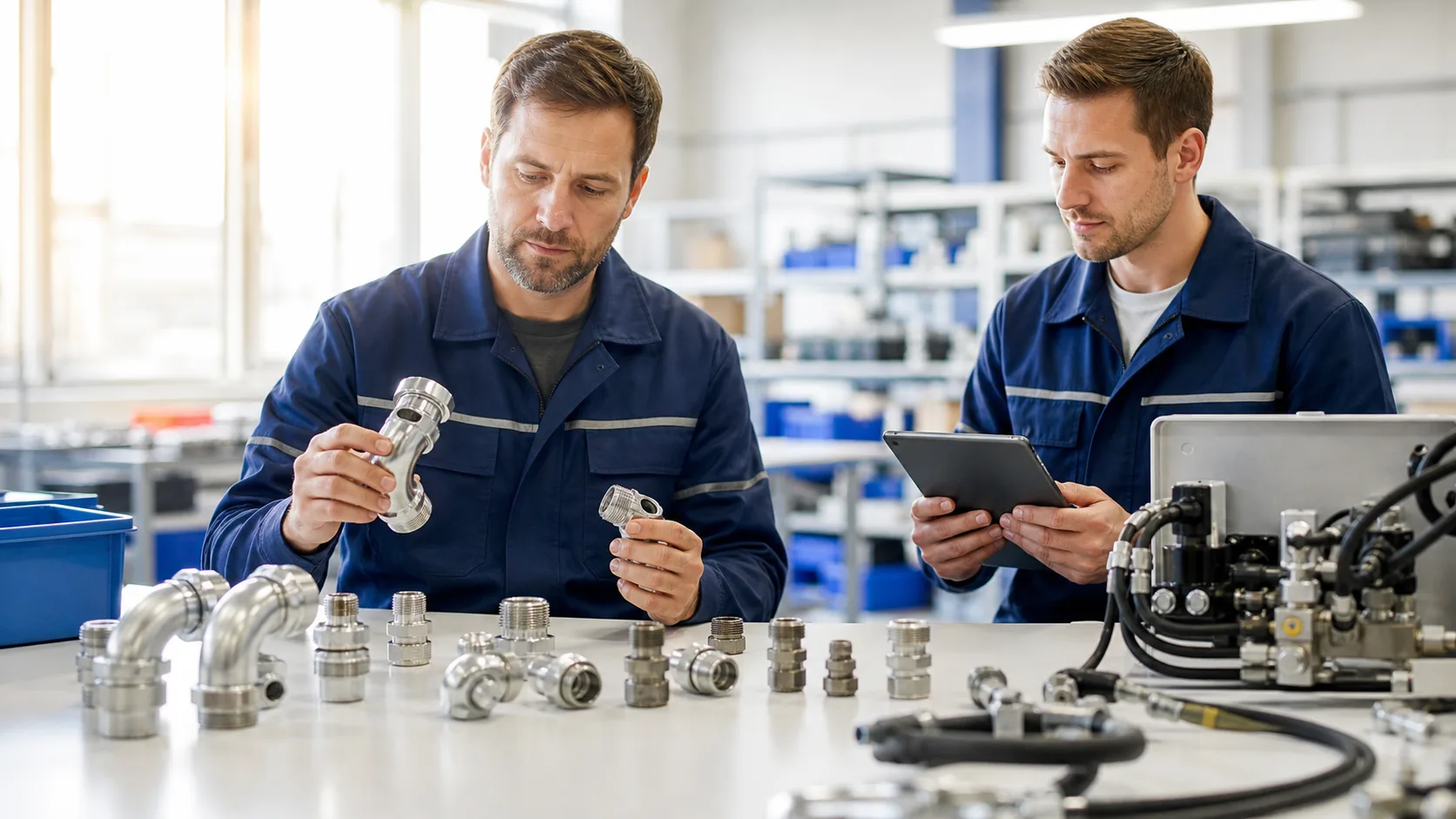
Visit the Stauff Anglia Ltd website for more information on Cost Implications of Selecting Stainless Steel Hydraulic Fittings
ENQUIRY FORM


