
Questioning Stainless Steel Tube Suppliers for Hydraulics
Ask Smarter, Buy Better: Getting Stainless Steel Right
Hydraulic systems work hard all year, but autumn and winter are when weaknesses really show. Colder temperatures, more moisture in the air, road salts and general grime all attack your pipework. If the stainless steel tube is the weak link, you soon see leaks, staining and seized connections.
Many buyers feel pressure to choose stainless steel tube suppliers on price alone. That can look fine on a spreadsheet, but it does not look fine on a site when you have unplanned downtime, oil on the floor, safety worries and lots of rework. The real cost of poor-quality tube is time, disruption and risk.
A better way is to use a clear, shared checklist of questions. When purchasing, engineering and maintenance teams all ask the same smart questions, it is easier to compare suppliers, cut out guesswork and protect lifecycle performance. Stainless steel might look the same at first glance, but the details in grade, tolerance and traceability make a big difference in harsh conditions.
At Stauff Anglia, we specialise in hydraulic pipeline components for demanding UK and offshore environments. We see how good tube choice supports the whole system, from clamps to hoses and fittings. In this article, we will walk through the questions we would ask any stainless steel tube supplier before trusting them with critical hydraulic lines.
Clarifying Your Hydraulic Performance Needs
Before speaking to any supplier, you need a clear picture of what the tube must cope with. The more precise you are, the better the advice and the fewer surprises later on.
Key things to define include:
Working and peak pressures
Temperature range during operation and shutdown
Type of fluid, including any aggressive or water-based media
Indoor or outdoor routing and exposure to spray, washdown or road salts
Proximity to marine atmospheres, especially in coastal or offshore locations
These factors influence the stainless steel grade. For example, many hydraulic systems use austenitic stainless such as 316L for improved resistance to pitting and crevice corrosion in damp or salty conditions. Wall thickness, tube diameter and even surface finish affect how the line stands up to erosion, vibration and long-term corrosion.
You also need to think beyond the tube itself. Compatibility with:
Existing clamps and support systems
Hose fittings and adaptors
Valves, manifolds and blocks
is important for preventing galvanic corrosion and assembly headaches. A tube that looks fine on paper can still cause issues if it reacts badly with other materials or sits poorly in existing clamps.
Before you speak to stainless steel tube suppliers, gather system data and any likely changes, such as higher pressures or added circuits. When you know what the system may need in future, you can discuss options for tubing that will support expansion instead of holding it back.
Quality and Traceability Questions You Must Ask
Once you are clear on performance needs, the next step is to probe quality and traceability. This is where suppliers start to separate.
Ask direct questions about standards and documentation, such as:
Which EN or ISO standards does the tube comply with for hydraulic applications?
Are material test certificates, typically 3.1, supplied as standard?
How is compliance with UK and EU regulations supported and recorded?
Full material traceability back to mill heat numbers is a key protection against mixed or substandard grades. For higher risk applications, positive material identification can give extra confidence that the tube really is the grade marked on the side.
Do not stop at paperwork. Ask how quality is controlled in practice:
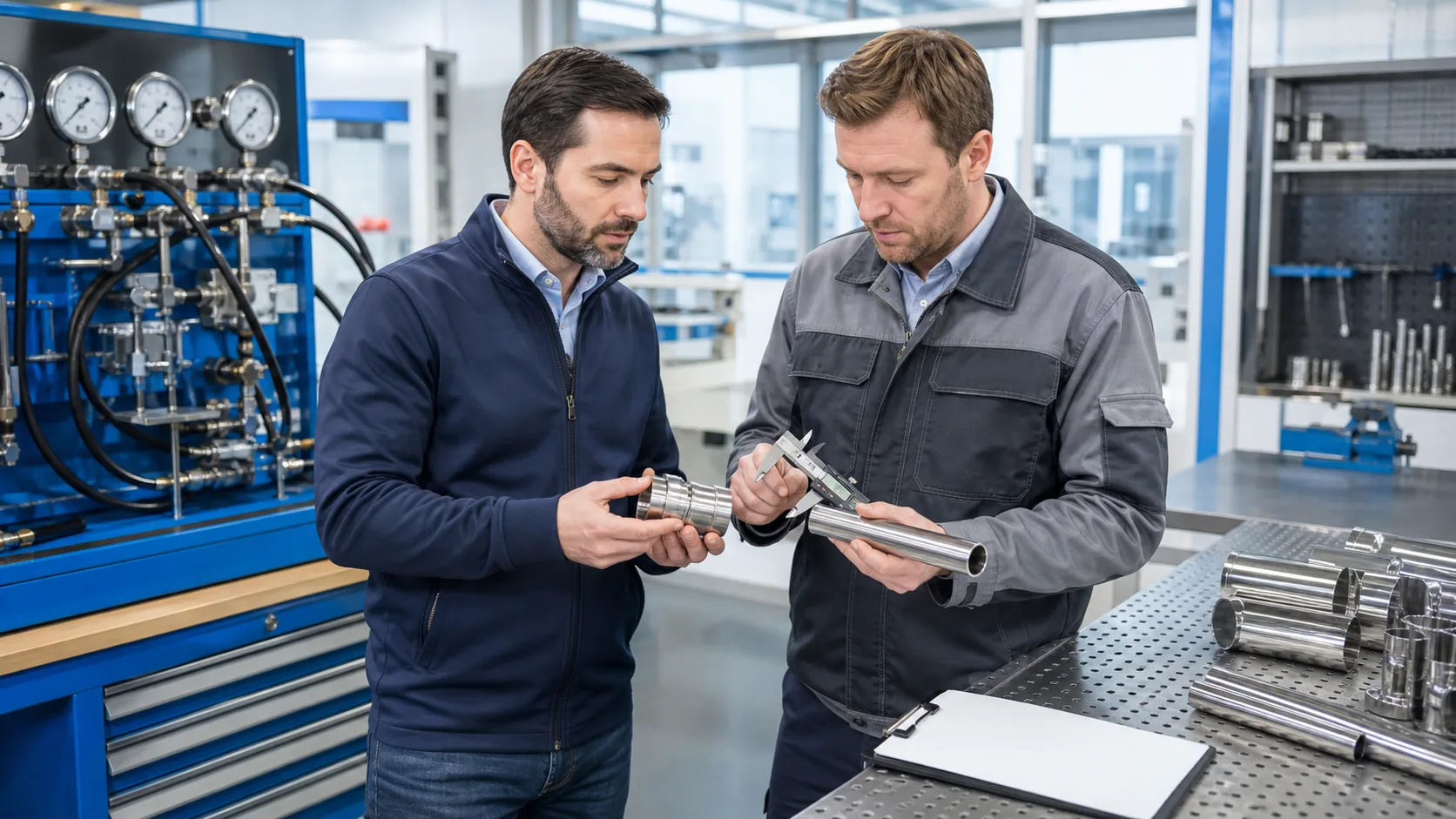
Dimensional tolerances on OD, wall thickness and ovality
Surface cleanliness, including any cleaning or protection applied
Pressure or leak testing carried out before despatch
Packaging methods that protect tube ends, threads and surfaces in transit
It is also worth asking how they handle non-conforming product. Can they explain how they quarantine, investigate and prevent repeat issues? A clear answer tells you more about their quality management than any brochure.
Delivery, Stock and Processing That Keep You Running
Good stainless tube is only helpful if it is on site when you need it. Autumn and winter are common times for planned shutdowns and upgrades, but breakdowns do not follow a timetable, especially when cold weather stresses equipment.
Talk with suppliers about:
Current stock in common hydraulic tube sizes and grades
Ability to support urgent breakdown deliveries
How quickly they can replenish popular sizes if demand spikes
Value-added processing can save a lot of time in the workshop or on site. Useful services to ask about include:
Cutting to specific lengths
Deburring and cleaning of cut ends
Bundling and clear labelling by project, system or circuit
Protection of ends and sensitive surfaces during transport
You should also explore lead times, minimum order quantities and delivery options across the UK. For project work, scheduled drops to match installation phases can make life much easier for your teams.
Finally, ask how the supplier manages seasonal demand peaks and supply chain disruption. Do they plan stock around maintenance seasons? Do they hold safety stock of key hydraulic sizes? Clear, honest answers help you judge how secure your supply will be when it matters.
Technical Support and System Integration Expertise
Some stainless steel tube suppliers offer little more than a list of sizes. Others bring hydraulic knowledge that can prevent mistakes and improve system reliability.
Look for evidence that the supplier understands:
Hydraulic pressure ratings and safety margins
Best practice tube routing, support spacing and clamping
How different grades behave in real industrial and mobile settings
Ask how they support compatibility across the full hydraulic line, including clamps, hose assemblies, adaptors and accessories. A joined-up approach reduces the risk of leaks, fatigue failures and corrosion between dissimilar metals.
It also helps if the supplier is comfortable working with different industries, such as:
Offshore and marine
Food and beverage plants
Rail and transport infrastructure
Construction plant and quarry equipment
Renewable energy installations
Each sector brings its own mix of cleaning regimes, vibration, exposure and safety expectations. Access to application-specific guidance is especially helpful when systems face harsher seasonal conditions and need consistent uptime.
Design support can also make a big difference. The ability to review drawings, advise on tube selection and support consolidated bills of materials can simplify procurement and reduce the number of vendors you rely on for the hydraulic package.
Turning Supplier Answers Into Reliable Partnerships
Once you have asked the right questions, the pattern in the answers is what really counts. Certain green flags tend to show that a supplier can support you long term:
Clear, written confirmation of standards and certifications
Full traceability and ready access to test certificates
Good visibility of stock, lead times and processing options
Practical, grounded technical advice without overselling
Red flags include vague or missing certifications, reluctance to discuss quality controls, weak stock information and limited hydraulic knowledge beyond basic data sheets.
If you are unsure, start with a pilot order or a small section of a system upgrade. Monitor how the tube behaves through cold, wet months and how the supplier responds to questions or minor issues. Real-world performance is the best benchmark for a long-term relationship.
At Stauff Anglia, we focus on helping customers match stainless tube quality to demanding hydraulic applications, and on supplying compatible clamps, fittings and hose assemblies for complete line integrity. It is worth turning what we have covered here into an internal question template, so purchasing, engineering and maintenance teams all challenge stainless steel tube suppliers in the same structured way and secure better long-term value from every length of tube they install.
Get Started With Your Project Today
Whether you are planning a one-off build or sourcing for ongoing production, we can help you select the right tubing specification quickly and accurately. As one of the UK’s trusted stainless steel tube suppliers, Stauff Anglia provides quality products supported by knowledgeable technical guidance. Share your requirements and drawings and we will recommend suitable options, lead times and availability. If you would like tailored advice or a formal quotation, simply contact us and we will respond promptly.
Visit the Stauff Anglia Ltd website for more information on Questioning Stainless Steel Tube Suppliers for Hydraulics
ENQUIRY FORM


