
Lifetime Sealing Strategies for Stainless Steel Hydraulic Fittings
Why Lifetime Sealing Matters for Hydraulic Systems
Leaks in hydraulic systems are never just a nuisance. They hit production, create safety risks, and keep maintenance teams firefighting the same problem again and again. Lifetime sealing is about stopping those leaks before they ever reach the shop floor or the yard.
For UK and European industries like manufacturing, offshore, recycling, and agriculture, conditions are demanding all year. As autumn moves into winter, temperature swings, moisture, salt, and mud all work against your fittings and seals. A joint that looked fine in summer can start weeping once the cold, vibration, and condensation kick in.
The true cost of poor sealing is rarely the fitting itself. It shows up as:
Unplanned downtime while a line is isolated and drained
Clean-up of spilled fluid and contaminated ground
Environmental penalties and reporting effort
Safety incidents from slips or high-pressure injection
Lost production while everything is brought back online
Stainless steel hydraulic fittings, correctly specified, installed, and maintained, form a strong foundation for long-term sealing reliability. The material choice alone is not enough though. At Stauff Anglia, based in the UK, we see the best results when design, product selection and maintenance all work together with one clear goal: no leaks for the full life of the plant or machine.
What Really Fails in Hydraulic Seals Over Time
Most leaks do not appear overnight. They grow slowly at the weak spots in the system, then show themselves at the worst possible moment.
Common sealing failure modes include:
Micro-leaks at threads, flare faces and sealing cones
O-ring compression set where the seal takes a permanent flat shape
Seal hardening and embrittlement from constant temperature cycling
Vibration-induced loosening of fittings during heavy operation
Threads and metal-to-metal faces can move slightly under load. If the joint was not assembled correctly, or if it is allowed to vibrate, those small movements open a path for fluid. Over time, this becomes a visible leak.
Corrosion is another slow attacker. When the fitting or tube starts to rust, the sealing surface is no longer smooth and consistent. That can show up as:
Crevice corrosion under clamps where moisture and dirt are trapped
Pitting on exposed fittings in aggressive wash-down areas
Damage from road salt and winter grime on mobile plant and trailers
Fluid type also plays a role. Some hydraulic fluids, and any contamination within them, can attack both metallic and elastomeric surfaces. Water in the oil, cleaning chemicals, or fine solid particles can:
Scratch sealing faces
Age O-rings and back-up rings more quickly
Reduce the time before a joint needs attention
If these points are ignored at the design stage, the system is already set up for shorter seal life and a steady cycle of tightening, replacement, and clean-up.
How Stainless Steel Hydraulic Fittings Protect Your System
Stainless steel hydraulic fittings bring clear metallurgical benefits compared to standard carbon steel, especially in harsh environments. The key strength is corrosion resistance. Stainless grades are designed to stand up to:
Pitting and crevice corrosion in damp and coastal conditions
Splash zones around seawater or process fluids
Salt-laden spray from winter road gritting
Where carbon steel can rust, pit and flake, stainless tends to stay clean and stable for far longer. That means the sealing faces at threads, cones and flares keep their shape and finish, so:
O-rings see less abrasion and stay seated properly
Metal-to-metal joints keep consistent contact pressure
There is less need for retightening during shutdowns
Areas that benefit most from stainless steel hydraulic fittings include:
Exposed pipe runs on machinery and structures
Wash-down zones in food, recycling or industrial plants
Chemical processing and aggressive cleaning areas
Offshore equipment and coastal installations
Mobile plant that spends time on salted winter roads
By keeping the metal in good condition, stainless fittings help seals last closer to the life of the equipment, not just a single season.
Engineering Lifetime Seals at the Design Stage
Lifetime sealing starts long before a spanner touches a nut. It begins with engineering choices about materials, joint types and routing.
Material selection should be driven by pressure, temperature, media and environment, not just what is on the shelf. Key decisions include:
Stainless steel grades matched to the environment and media
Seal materials that suit the fluid type and temperature range
Coatings or finishes on associated components where needed
Joint and routing design is just as important. Good practice often includes:
Choosing the right fitting system such as bite-type, flare or ORFS
Minimising the total number of joints in each line
Correct tube preparation, including cutting and deburring
Using suitable clamps to support lines and cut down vibration
Seasonal extremes need specific thought. As conditions cool and moisture increases, design should allow for:
Low-temperature seal compounds where required
Extra corrosion resistance on exposed and road-facing pipework
Clear access for inspection during planned winter maintenance
If these points are built into drawings, specifications and standards from the start, maintenance teams are not left trying to solve design issues with extra sealant or repeated tightening.
Installation and Maintenance Habits That Stop Leaks
Even the best design will leak if assembly is poor. Stainless steel also brings its own quirks, so installation habits matter.
Clean, careful assembly should be standard on every joint:
Tube ends cut square and fully deburred
Threads and seals kept clean and free from grit
Correct lubrication on threads and sealing faces
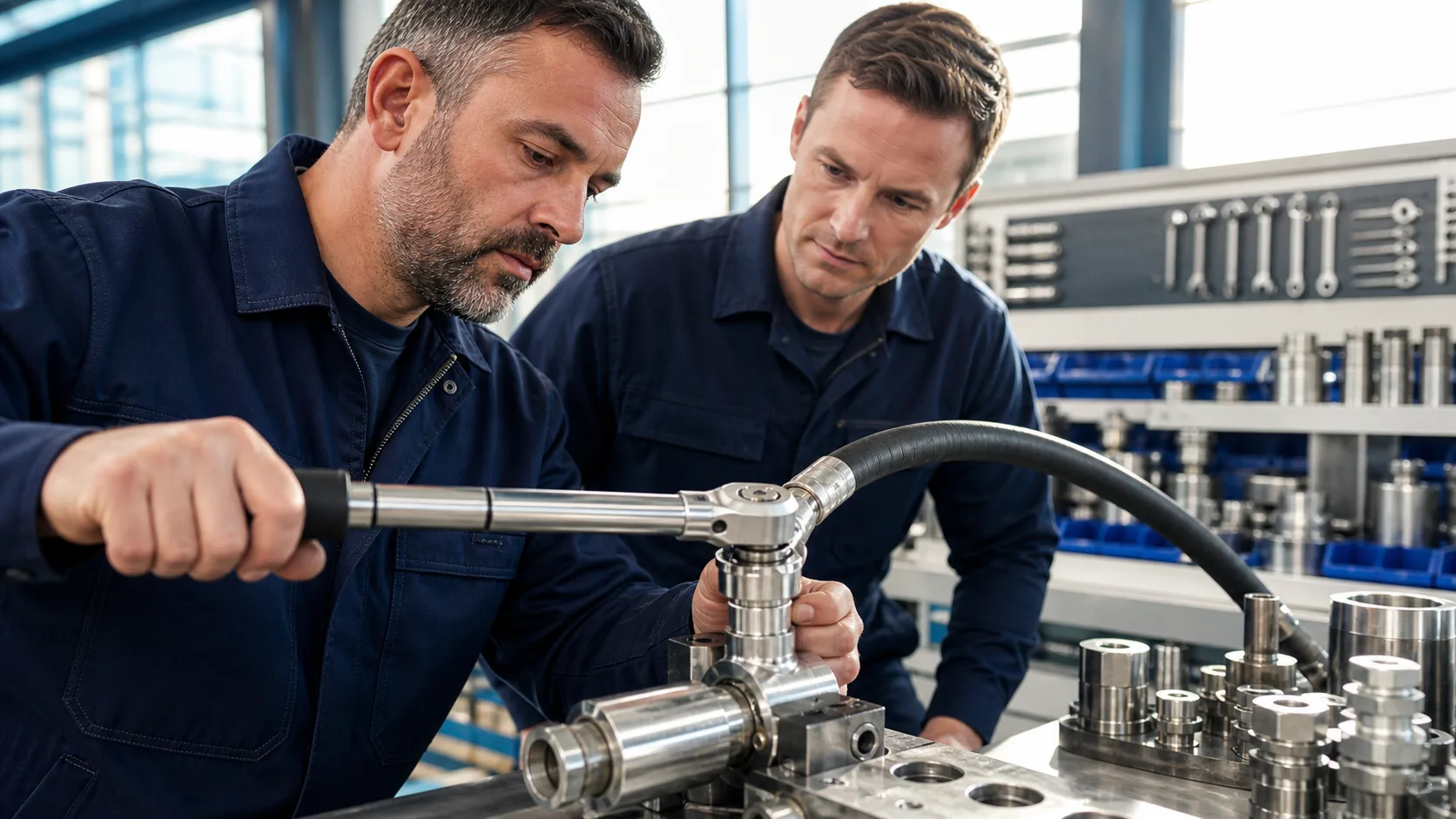
Torque control and following the manufacturer’s instructions
With stainless steel, the risk of galling in threads is higher if parts are dry or over-tightened. Proper lubrication and the right torque level help avoid damaged fittings and unreliable joints.
A proactive inspection and maintenance routine helps keep small issues from turning into breakdowns. Useful habits include:
Regular tightening checks on high-vibration areas
Visual inspection of clamps, supports and exposed joints
Planned replacement of seals before peak seasonal loads
Working with a specialist supplier for product selection, on-site reviews and training can help bring consistent standards across maintenance and installation teams. That way, everyone is working to the same clear rules for lifetime sealing.
Putting Lifetime Sealing at the Heart of Your Next Upgrade
When planning your next system upgrade or winter readiness programme, sealing should sit near the top of the list. Leak hotspots and repeat failure points are strong candidates for redesign or material change. Upgrading these areas to stainless steel hydraulic fittings and well-matched clamps can remove long-running headaches.
Many sites find it helpful to plan a phased improvement programme:
Start with high-risk areas such as exposed pipework and wash-down zones
Standardise on proven fitting systems across the plant or fleet
Capture lessons learned into internal specifications and procedures
By treating lifetime sealing as an engineered goal rather than a maintenance wish, hydraulic systems can run cleaner, safer and with fewer interruptions. At Stauff Anglia, we focus on hydraulic pipeline components and technical support that help put long-term sealing at the centre of your design, installation and maintenance decisions.
Get Started With Your Project Today
If you need reliable performance in demanding environments, our stainless steel hydraulic fittings are specified to deliver long service life and consistent results. At Stauff Anglia we work closely with you to match components to your exact operating conditions, from corrosion resistance to pressure ratings. Speak with our team for technical guidance, availability and lead times, or contact us to discuss your next project in more detail.
Visit the Stauff Anglia Ltd website for more information on Lifetime Sealing Strategies for Stainless Steel Hydraulic Fittings
ENQUIRY FORM


